





结合传统知识和技术的现代设计,提供高效可靠的热处理,便于更换加热元件,维护简单。
标准参数
- 最高工作温度1100°C、1200°C或1300°C
- 炉膛体积5、13、23、36或65L
- EPC3016P1可编程控制器
- 垂直上开门,确保灼热的炉门远离操作者
- 5,13和23升炉型标配阻尼炉门,保护炉门保温材料
- 加热元件背衬、炉门口及炉底为耐磨型氧化铝保温材料
- 低能耗轻质保温材料
- 加热元件自由辐射热量,确保良好的温度均匀性
- 加热丝安装维护简单
选项(订购时详细标注要求)
- 可提供一系列先进的数字控制器、多段可编程控制器和带数字通信选项的数据记录器 - 更多信息见控制器介绍
- 超温保护(建议用于保护贵重物品和无人值守操作)
- 可在最高1100°C可控气氛下工作的金属工艺内腔
- 可为符合 AMS2750H (Nadcap) 标准的应用提供定制规格
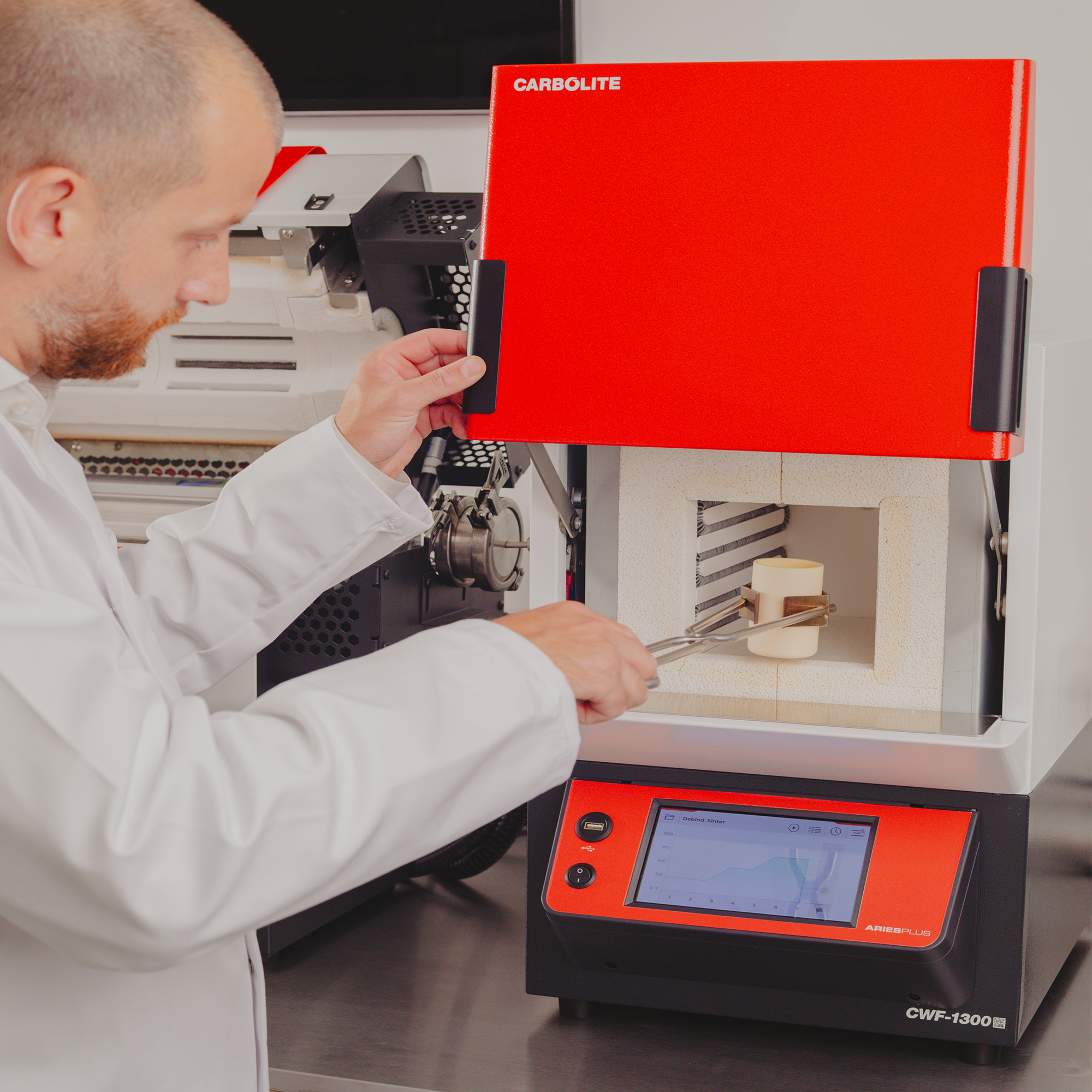
箱式炉 1100°C, 1200°C或1300°C - CWF ATMOSPHERE RETORTS FOR CWF FURNACES
A retort can be used for various heat treating processes requiring a controlled inert or reactive atmosphere, e. g. to prevent oxidisation or to enhance surface hardness. The A105 retort, which incorporates a silicone rubber seal, can achieve low oxygen levels. Manufactured in either NiCr alloy (Inconel) with a maximum operating temperature of 1100 °C or 314 grade stainless steel with a maximum operating temperature of 1050 °C.
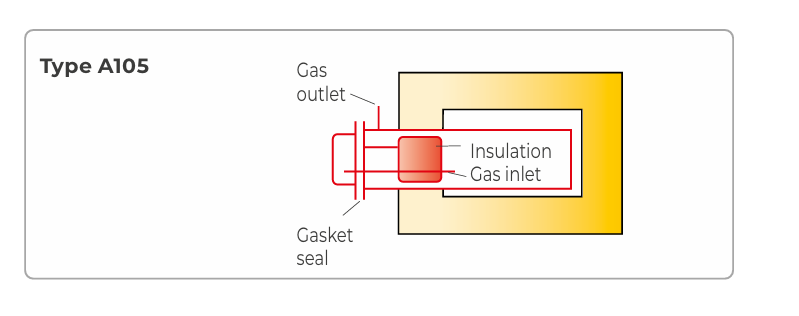
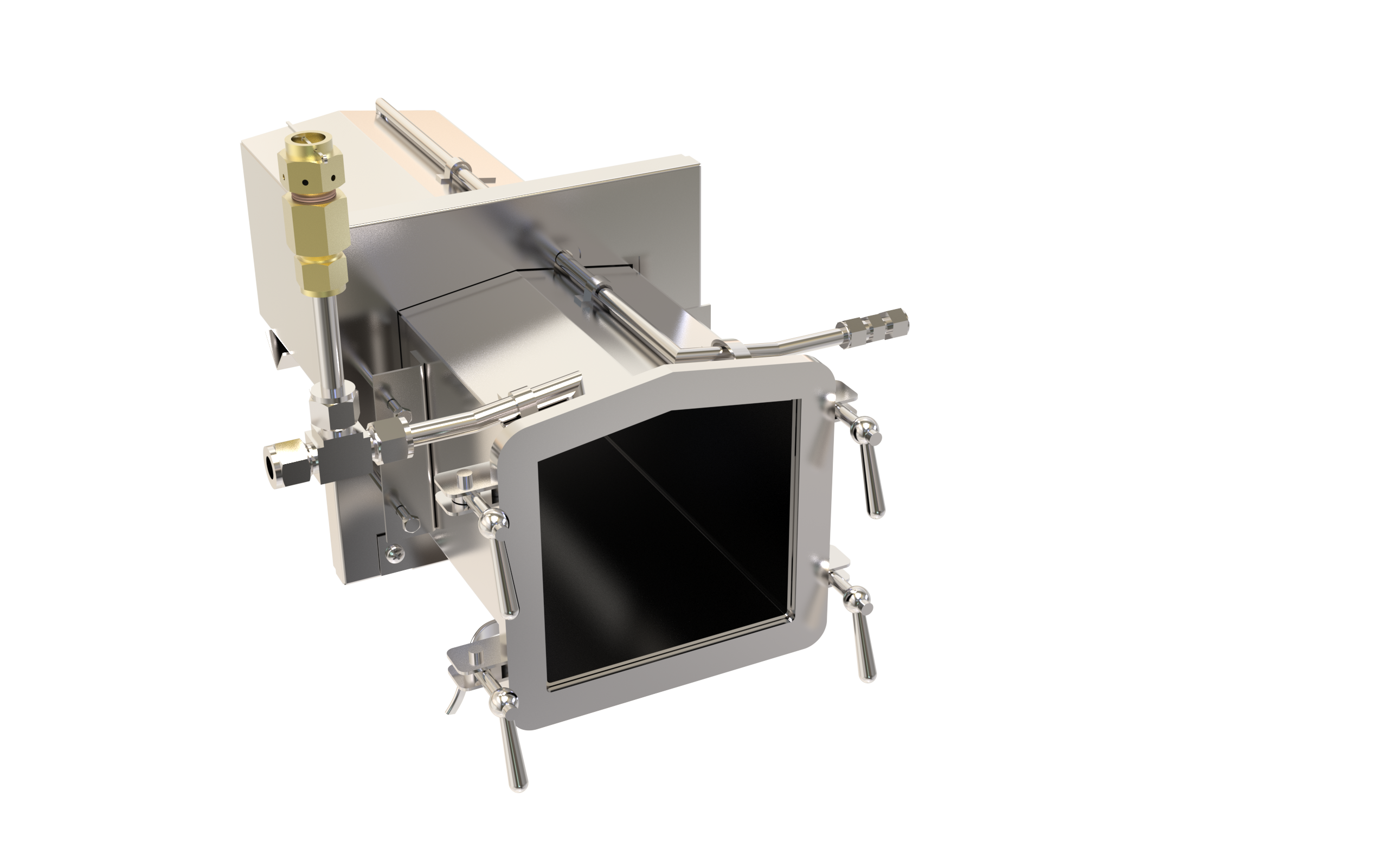
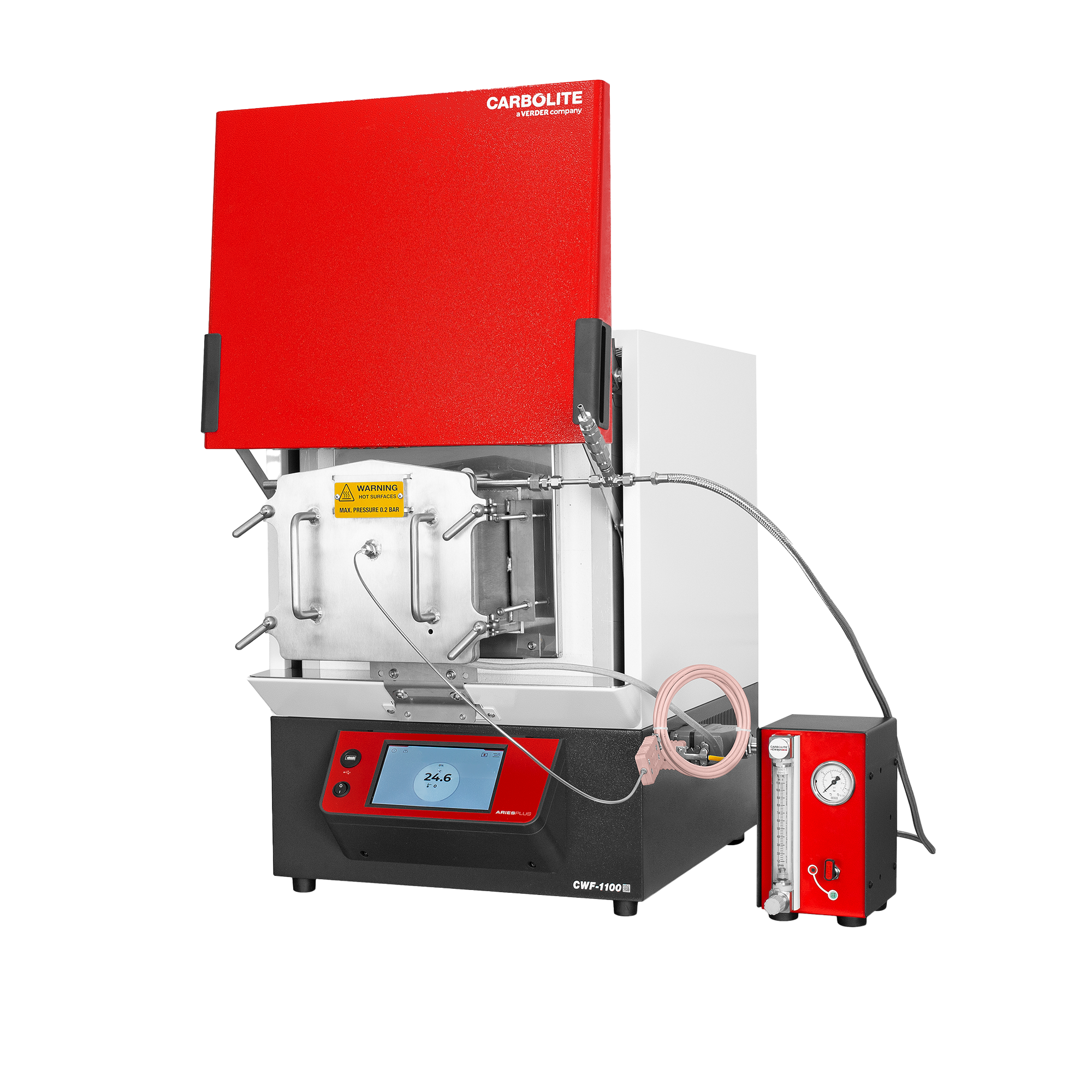
The A105 retort is sealed by a removable front opening insulated door fitted with a silicone rubber seal. Gas inlet and outlet connections are easily accessible at the front. Oxygen levels down to 30 ppm are achievable. A105 retorts for CWF furnaces are fitted with a 3 mm thermocouple gland through the centre of the door. The retort and furnace must be ordered together as the furnace is modified to allow it to be used with, and without, the retort. The A105 retort can be used in combination with the laboratory gas safety system for safe use with hydrogen.

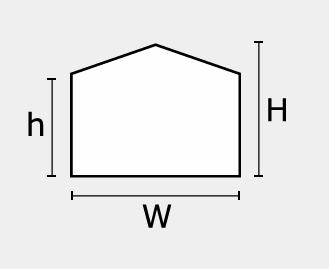
A105内部尺寸
| CG H Model | Height h/H [mm] |
Width W h/H [mm] |
Depth [mm] |
Door type | ||||
| CWF_/13 | 135/150 | 150 | 275 | pull out | ||||
| CWF_/23 | 170/185 | 195 | 350 | pull out | ||||
| CWF 12/36 | 180/200 | 270 | 400 | pull out | ||||
| CWF 12/65 | 200/225 | 335 | 540 | pull out | ||||
箱式炉 1100°C, 1200°C或1300°C - CWF 范例
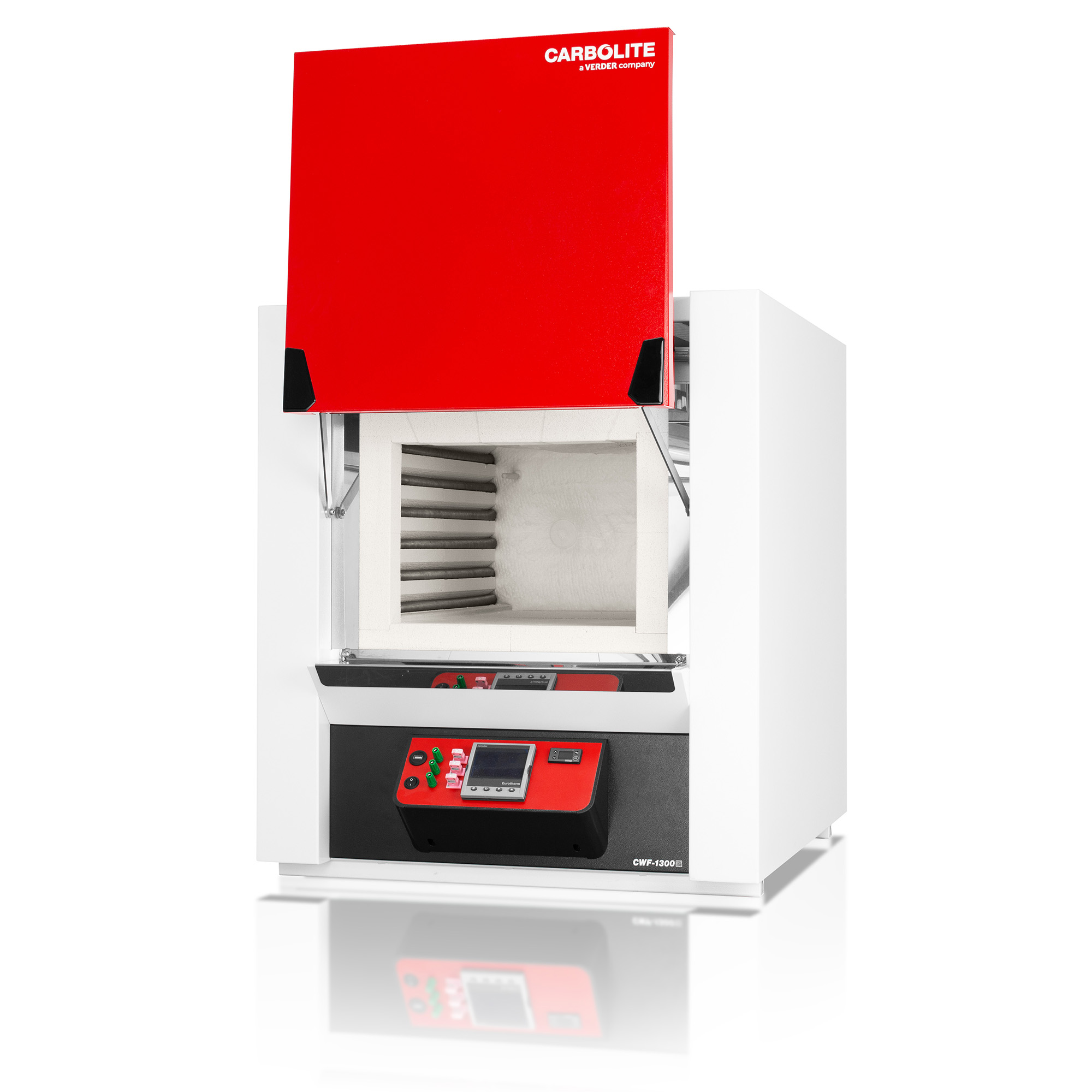
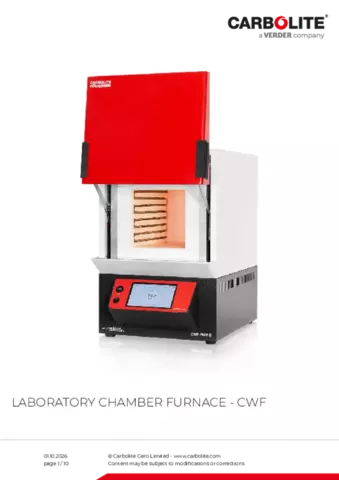
CWF 13/65 带Nanodac温度控制器
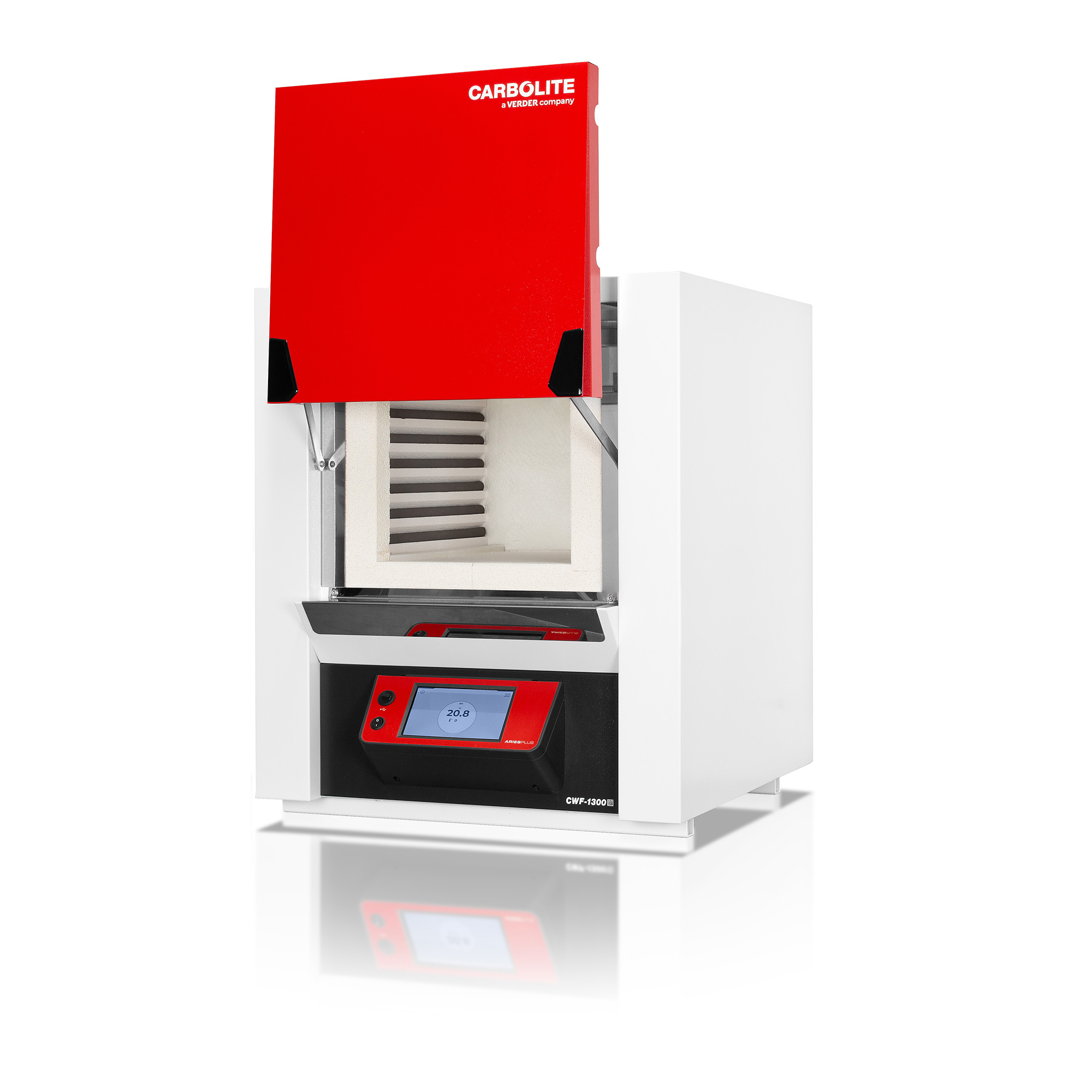
CWF 13/36 带 AriesPlus 温度控制器
箱式炉 1100°C, 1200°C或1300°C - CWF 技术参数
| 最高温度(℃) | 加热时间(mins) | 最高持续工作温度 | 尺寸: 内部 高 x 宽 x 纵深 (mm) | 尺寸: 外部 高 x 宽 x 深 (mm) | 尺寸: 炉门开启时外部尺寸高 x 宽 x 纵深 (mm) | 温度均匀性± 5°C空间尺寸高 x 宽 x 深 | 体积 (L) | 最大功率 (W) | 持续功率 (W) | 热电偶种类 | 重量 (kg) | |
|---|---|---|---|---|---|---|---|---|---|---|---|---|
| CWF 11/5 | 1100 | 47 | 1000 | 135 x 140 x 250 | 595 x 375 x 495 | 810 x 375 x 540 | 85 x 90 x 110 | 5 | 2400 | 790 | R | 30 |
| CWF 11/13 | 1100 | 76 | 1000 | 200 x 200 x 325 | 670 x 435 x 608 | 915 x 435 x 675 | 120 x 120 x 185 | 13 | 3100 | 1500 | R | 47 |
| CWF 11/23 | 1100 | 36 | 1000 | 235 x 245 x 400 | 715 x 505 x 680 | 1000 x 505 x 765 | 155 x 165 x 285 | 23 | 7000 | 1900 | R | 68 |
| CWF 12/5 | 1200 | 51 | 1100 | 135 x 140 x 250 | 595 x 375 x 495 | 810 x 375 x 540 | 85 x 90 x 125 | 5 | 2400 | 850 | R | 30 |
| CWF 12/13 | 1200 | 88 | 1100 | 200 x 200 x 325 | 670 x 435 x 608 | 915 x 435 x 675 | 120 x 120 x 200 | 13 | 3100 | 1550 | R | 47 |
| CWF 12/23 | 1200 | 45 | 1100 | 235 x 245 x 400 | 715 x 505 x 680 | 1000 x 505 x 765 | 155 x 165 x 325 | 23 | 7000 | 2250 | R | 68 |
| CWF 12/36 | 1200 | 37 | 1100 | 250 x 320 x 450 | 810 x 690 x 780 | 1105 x 690 x 780 | 170 x 240 x 357 | 36 | 9000 | -- | R | 100 |
| CWF 12/65 | 1200 | 40 | 1100 | 278 x 388 x 595 | 885 x 780 x 945 | 1245 x 780 x 945 | 178 x 288 x 455 | 65 | 14000 | -- | R | 165 |
| CWF 13/5 | 1300 | 75 | 1200 | 135 x 140 x 250 | 595 x 375 x 495 | 810 x 375 x 540 | 85 x 90 x 150 | 5 | 2400 | 1000 | R | 30 |
| CWF 13/13 | 1300 | 121 | 1200 | 200 x 200 x 325 | 670 x 435 x 608 | 915 x 435 x 675 | 120 x 120 x 225 | 13 | 3100 | 1800 | R | 47 |
| CWF 13/23 | 1300 | 55 | 1200 | 235 x 245 x 400 | 715 x 505 x 680 | 1000 x 505 x 765 | 155 x 165 x 340 | 23 | 7000 | 2500 | R | 68 |
| CWF 13/36 | 1300 | 47 | 1200 | 250 x 320 x 450 | 810 x 690 x 780 | 1105 x 690 x 780 | 170 x 240 x 400 | 36 | 9000 | -- | R | 100 |
| CWF 13/65 | 1300 | 55 | 1200 | 278 x 388 x 595 | 885 x 780 x 945 | 1245 x 780 x 945 | 178 x 288 x 255 | 65 | 14000 | -- | R | 165 |
箱式炉 1100°C, 1200°C或1300°C - CWF 资料下载
Cement Testing for Compliance
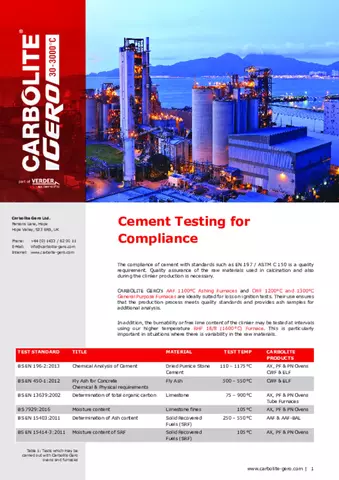
The compliance of cement with standards such as EN 197 / ASTM C 150 is a quality requirement. Quality assurance of the raw materials used in calcination and also during the clinker production is necessary. Carbolite Gero offers different furnaces that help to guarantee quality requirements are met during the production cycle.
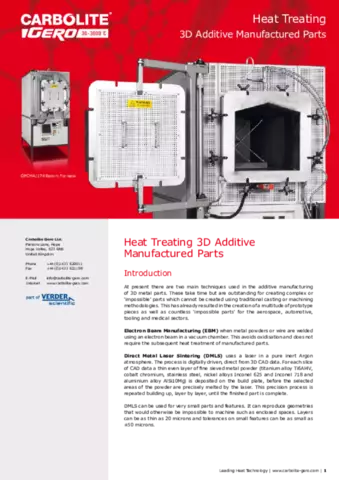
Heat Treating 3D Additive Manufactured Parts
At present, there are two main techniques used in the additive manufacturing of 3D metal parts, Electron Beam Manufacturing (EBM) and Direct Metal Laser Sintering (DMLS). These take time but are outstanding for creating complex or ‘impossible’ parts which cannot be created using traditional casting or machining methodologies. This has already resulted in the creation of a multitude of prototype pieces as well as countless ‘impossible parts’ for the aerospace, automotive, tooling and medical sectors.